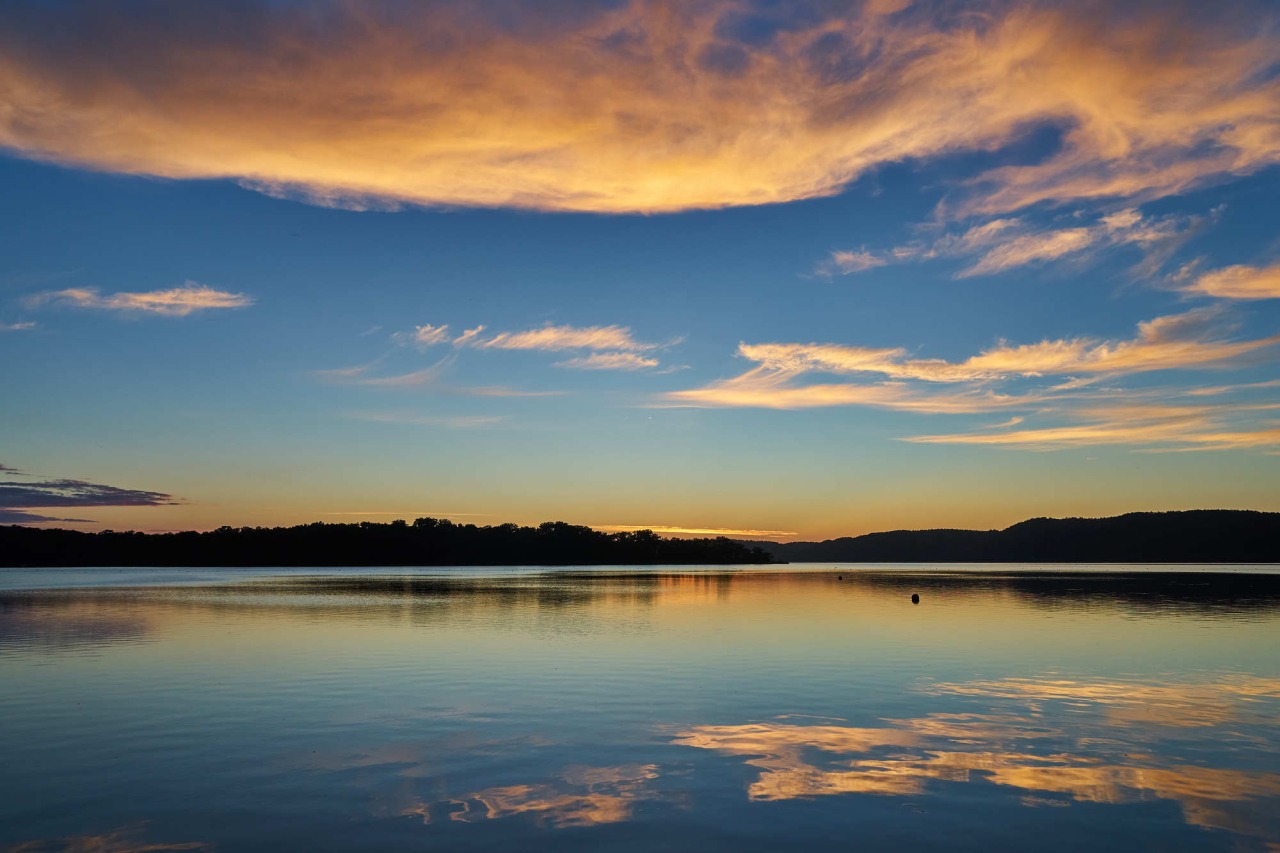

Location – Japan (Abashiri, Hokkaidō, Japan) – 43°58′N 144°10′E
Size – Surface area 33 km2, Catchment area 1,380 km2, Shore length 44 km
Depth – Average 7.2 m, Maximum 16.1 m, Surface Elevation 0.4 m
Course – Water exits the lake through the Abashiri River and flows 7 kilometres to the Sea of Okhotsk. Inlets are from the Abashiri River and Memanbetsu River.
A very high chloride concentration and reduced condition of layer is formed usually under 10.5 m deep layer because of the invasion of seawater from adjacent Sea of Okhotsk to the lake.
Catergory – Abashiri Lake is a dimictic lake, which is a body of freshwater whose difference in temperature between surface and bottom layers becomes negligible twice per year, allowing all strata of the lake’s water to circulate vertically.
History – it is considered that a prototype of lake basin was formed at the last Glacial epoch, approximately 20,000 years ago and then present feature of lake was appeared by long corrosion force of Abashiri River at the Holocene epoch, approximately 6,000 years ago. Many remains of Jomon period (an archaeological term designating the Japanese neolithic cultural period extending from about 8,000 B.C. or earlier to about 200 B.C.) are found in the shallow region of estuary of Memanbetsu River.

The lake freezes over from December to April with ice up to a meter thick.
Lake Abashiri is a production area for Japanese pond smelt/wakasagi. A hole is made in the frozen lake, a net is tied to a rope that has been trailed under the ice in advance, and the net is pulled in to catch the fish.
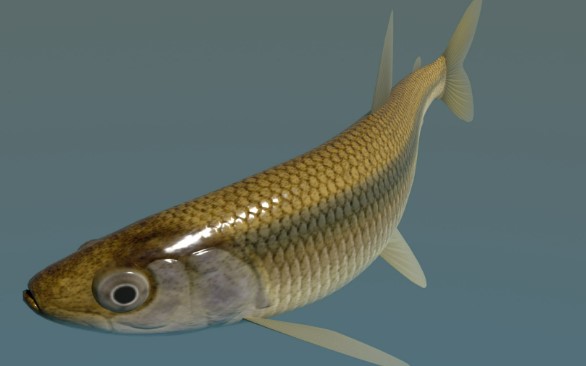

Fauna – Hypomesus nipponensis or wakasagi fish, trout, bosmina coregoni or planktonic and corbicula japonica or brackishwater clam.

Flora – Around the lake are colonies of skunk cabbage/mizubasho, whose beautiful white flowers can be seen blooming from late April to early May.
Phytoplankton –
- Bacillariophyceae (algae)
- Chlorophyceae (green algae)
- Crysophyceae (golden algae)
- Cyanophyceae (bacteria)
More Information
https://wldb.ilec.or.jp/Display/html/3569
 Maxine the Magnificent